Dreamy Chocolate: The Handwritten Font for Cozy, Indulgent Branding
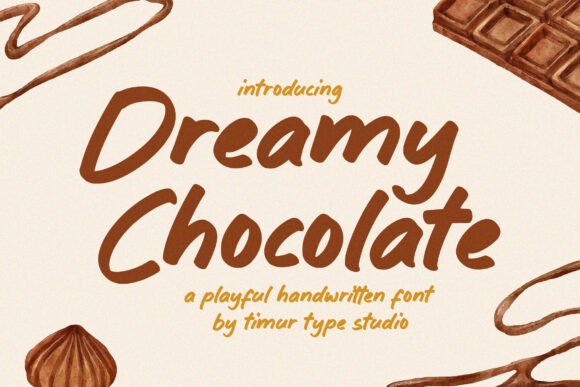
There's a specific feeling you get when you see a typeface that just clicks. It’s not always about technical perfection or historical significance; sometimes, it’s about warmth, personality, and a touch of sweetness. That’s the immediate impression of Dreamy Chocolate. This isn't a font that shouts for attention with sharp angles or futuristic geometry. Instead, it whispers with a smooth, flowing script that feels like a handwritten note from a friend or the elegant scrawl on a gourmet chocolate box. Its characters connect in a natural, fluid rhythm, with soft, rounded terminals and a consistent baseline that feels both relaxed and intentional. The overall vibe is playful yet sophisticated, indulgent without being messy. It captures a mood of comfort, creativity, and thoughtful indulgence, making it a powerful tool for designers and creators looking to inject genuine personality into their work.
Where This Typeface Truly Shines
Understanding a font's personality is one thing; knowing where to deploy it is where the real strategy comes in. Dreamy Chocolate excels in projects where emotional connection and brand warmth are paramount. Think about the immediate applications in the world of food and beverage. It’s a natural fit for packaging design for artisanal chocolates, bakeries, premium coffee blends, or craft ice cream. The handwritten style suggests authenticity and a personal touch, telling customers there's a real person behind the product. Beyond the kitchen, this script font is a fantastic choice for lifestyle brands focused on wellness, cozy apparel, stationery, or home décor. It helps build a brand identity that feels approachable, creative, and relatable.
The utility of this creative font extends seamlessly into the digital and editorial space. For bloggers and content creators, it can transform standard headings into inviting titles that draw readers in. Imagine it on a food blog header, a quote graphic for Instagram, or the title of a travel journal entry. In editorial design, it works beautifully for pull quotes, chapter headings, or magazine sidebars where you want to break the monotony of body text with a personal accent. For web design, it can be used strategically in hero sections, call-to-action buttons, or promotional banners to create a focal point with emotional appeal. However, its primary strength lies in display and accent use, not long-form paragraphs, where readability becomes a concern at smaller sizes.
Making It Work: Practical Guidance for Designers and Creators
Choosing the right display font is only half the battle. The key to using Dreamy Chocolate effectively lies in thoughtful implementation. First, always consider your project's context and audience. Is the tone playful, romantic, or rustic? This font leans toward a cozy, friendly indulgence, so it might not be the best fit for a corporate finance report or a tech startup's main logotype. Evaluate the visual hierarchy of your design. Use this typeface for headlines, logos, or key phrases that need to carry the emotional weight of the brand. Pair it with a clean, neutral sans serif font for body text to ensure maximum readability and a balanced layout. A classic serif can also create an interesting contrast, pairing a traditional structure with a free-flowing script.
Before finalizing your choice, always test the font in context. Create mockups of your logo design, packaging layout, or social media post to see how the letterforms interact with your other design elements, color palette, and imagery. Check the included styles and glyphs—many premium fonts like this offer alternates, ligatures, and multilingual support that can add unique flair to your text. Finally, pay close attention to licensing. For any commercial project, whether it's a client's packaging design or merchandise you plan to sell, ensure you have the correct commercial font license. This protects your work and respects the craft of the type designer. Used thoughtfully, Dreamy Chocolate becomes more than just a set of letters; it becomes a core component of your visual storytelling, helping to build recognition, foster engagement, and convey a distinct brand personality that resonates with your audience.